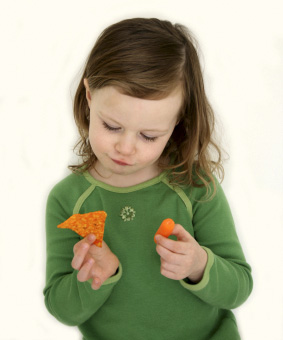
 There are a number of reasons why children become overweight. Genetic factors, lifestyle habits, psychological issues, and in some cases endocrine problems that regulate metabolism, can burden a growing child with unwanted weight gain. Though I have never been morbidly obese, as a pre-teen and teenager, I always struggled with being overweight. In my own case, as with many overweight kids I know, confusion about large portion sizes, sugar, high amounts of processed carbohydrates, and fat consumption are to blame. During the “low-fat” and “fat-free” craze in the 80’s, I shutter as I remember feasting on boxes on fat free cookies, after all it’s ok, it’s fat free right? Well, times have changed along with my waistline!
Now that we know so much more about nutrition, we’re finding out what I wished I would have known in the 80’s! As a professional chef who has cooked for children, many moms and dads ask me about childhood weight gain and obesity. They want to know how to prevent the unhealthy eating habits that could cause their children to become overweight.
Many parents tell me they are concerned because they are not sure how to cook healthy, or might not have the energy at the end of the day. They rely on prepackaged foods, restaurant take-out, and frozen foods, not realizing that these items are similar to “fast food” with their high fat, calories, sodium, and sugar content. I see how hectic their schedules are – so packed with both parents working that they feel desperate at dinner time and scramble to “find” something for their kids to eat.
Many people also don’t know about portion sizes, in the home and out, since restaurants and fast food establishment have drastically increased portion sizes to double or triple what they should be. Do you remember being told “You have to eat what’s on your plate”?
Getting healthy is a lifestyle change, but there are so many simple ways to get started! Even if you don’t cook, here are three ways you can begin to take small steps towards health for you and your children.
1. Sit at the dinner table, even if you order out.
Why is this important? Sharing food, eating slowing, having conversation in between bites all help to control overeating. Taking small breaks in between bites gives your stomach time to gauge when you are really full. But there’s an added bonus to pulling up a chair! By sharing time at the dinner table, you’ll show your kids that you want to hear what they have to say, see their smiling faces across the table and share in the stories of their daily lives.
2. Survey the fridge and freezer. Be a sugar and fat hound!
I can’t say it enough, but check out the nutritional labels. You might be shocked at how much fat, calories, and servings your child is consumming on a regular basis from snacks in your fridge. This might include sugar-packed items like sodas, juices, ice creams, and frozen treats. Don’t worry, you can find healthy substitutions for them all! Swap them out, gradually, one at a time. You might also need to remove high-fat products from your shopping list if your child is over 2 years old – like whole milk and 2% milk (which is close in fat content to whole milk), whole fat baby yogurts, and high fat cheeses – if eaten daily. There are plenty of lower-fat, tasty options that are still are high in lean protein. And, most importantly, get your veg on! Have raw veggies available along with low-fat cheese spreads and dips for impromptu snacks that you can feel good about. You can even buy veggie sticks pre-cut.
3. Open your cabinets.
Ok, same drill! Only this time, you’ll also take a look at sodium levels. Many high-fat chips, stuffed pretzel snacks, and filled crackers have tons of sodium. We all know kids love snacks, and there are plenty of options, including low-fat, whole-wheat pretzel, heart-healthy baked chips, and soy crackers that are low in sodium. Sprinkle their favorites on top of low-fat vanilla yogurt for a great after school treat.
Related Posts
- I love eating out, how do I stay healthy? Learn more about portion size and making the right choices when dining out.
- Find out the Top 5 Ways to Cut Down on Carbs.
- Whole Grains are filling and fiber rich. Learn 5 Easy Ways to Eat More Whole Grain.


 Are you ready to look better, feel more energized, and get back that youthful feeling you remember having as a kid? I can help you on a journey that will change the way you eat — for good. My



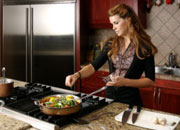







 As a healthy cooking expert, health coach and TV host,


I’m with you on processed foods. There’s no use eating them. So, if we’re only talking about food that is actual food, meaning has nutritional value, then I do believe in everything in moderation. I believe in it like I believe that we can manifest whatever we desire… It’s true, but I’m not able to do it yet. I hope to get there for maintenance, but for the big weight loss phase, it’s got to be different. I’m also thinking of taking my whole family off of wheat, dairy and sugar for a while to see how we feel. (that’s me, hubby and nearly 4 year old).
I’ve also come to the conclusion that television is like a food with no nutritional value. Hope to get rid of that soon too. (scary to even contemplate….) and here I digress.