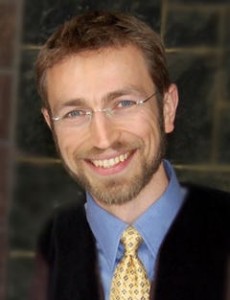
 Among my first challenges as a certified yoga teacher I was searching the web for information about naturopathic medicine – that’s when I came across the wonderful and uplifting website of Dr. Igor Schwartzman.
The term alternative medicine, as used in the modern Western world, encompasses any healing practice “that does not fall within the realm of conventional medicine”. Commonly cited examples include naturopathy, chiropractic, herbalism, traditional Chinese medicine, Unani, Ayurveda, meditation, yoga, biofeedback, hypnosis, homeopathy, acupuncture, and diet-based therapies, in addition to a range of other practices.
As we corresponded back and forth, I realized that I should share our exchange and the concepts that Igor outlined for me.
Is there place in your experience where holistic wisdom is more effective than conventional medicine?
I am a primary-care physician in the state of Oregon. As a physician, I am trained to diagnose, treat, and prevent disease. For naturopathic physicians, there is a broad scope of practice in the state of Oregon, including conventional diagnostics, minor surgery, and prescription medications.
The focus of my training is in the art and science of naturopathic medicine. The modalities that I incorporate into my practice have been commonly practiced in Europe for several hundred years. These techniques integrate conventional, scientific, and empirical methodology, but with the emphasis on the laws of nature.
 As a naturopathic doctor, I strive to achieve the highest level of health and vitality for those I treat. What makes me unique is that my definition of health is not based solely on the idea of absence of disease, but rather a balance between body, mind, and spirit.
The disease-based model of conventional medicine is founded on the approach that works with people when symptoms arise. My approach is based on the idea of prevention, in other words, those whom I work with do not necessarily have to present with any symptoms, and if they do, my role is to create health in people and not simply treat the disease.
Many people agree that the naturopathic, or holistic, approach to treatment is much more effective. It is safe, gentle, therapeutic, and offers long-term benefits. It is also more cost-effective in the long run, because its emphasis is on prevention, which leads to better health as people become older.
Do you believe that eastern and western medicine can both be combined? And are there doctors who actually practice this under one roof?
Naturopathic medicine is a western-based medicine, versus that of Chinese Medicine and Acupuncture, which you may be referring to, is also an eastern-based medicine. Our clinic offers both naturopathic medicine, traditional Chinese medicine and acupuncture – and when both approaches are combined, it serves a greater benefit to the patient.
You may also be wondering about integrative medicine. These are generally clinics where medical doctors, naturopathic doctors, as well as acupuncturists all practice together. Although those clinics exist, you’ll only find them in some areas around the country.
I was really surprised by the fact that your consultations are so in depth. How do you feel this is beneficial to treating the patient?
In-depth office visits allow me to spend the time with my patients and truly listen. My treatment plans are generally involved and require a tremendous amount of guidance and coaching. The end-result for my patients is that it involves and engages them much more in their health journey. They take responsibility for their own health, and that is a big part of health, healing and prevention.
I have heard so many wonderful things about acupuncture. How does it work exactly?
This is a difficult question to answer. I am not an acupuncturist, but acupuncture is done at our clinic. My wife, Kendra Ward, is a licensed acupuncturist, and here is an excerpt of her description of Traditional Chinese Medicine and Acupuncture:
Traditional Chinese medicine (TCM) is one of the oldest medical practices, and some evidence suggests that it dates as far back as 5,000 years. The ancient Chinese developed this unique medical system through careful and diligent study of the body, mind, emotions, spirit, and the natural world around them.
This system is based on the idea that pathways of energy, or “qi”, run in regular patterns through the body and over its surface. These channels are called meridians and they flow like rivers through the body to irrigate and nourish the tissues. An obstruction in the movement of these energy rivers is like a dam that backs up, creating imbalance and pain.
Energy can also become depleted as a result of stress, overwork, chronic illness, etc., and this may cause the water in the stream to dry up and eventually stop flowing.
Acupuncture needles are used as conductors, and when placed in specific areas that have increased conductivity, they can tap into the various energy pathways to correct imbalances and clear blockages. Acupuncture works with the body’s innate ability to heal itself – once pathways have been unblocked, the body’s natural healing response can take place.
Kendra Ward
Licensed Acupuncturist
It seems like food allergies are on the rise. What advice can you give to people to help alleviate allergy symptoms?
Fast-food and processed foods are a large contributor to the overall increase. However, other lifestyle choices including lack of exercise, large amounts of alcohol and caffeine, as well as frequent or daily intake of the same foods. There is no one answer for all people. Every person is unique and has a different health history. I will mention that both dairy and wheat tend to be the most common allergens, and these tend to be the first ones to think about a lot of the time.
How do you decide what type of holistic approach you take with a patient? Does the type of disease or symptom dictate the course of treatment?
The word holistic in itself implies “whole”. In other words, my approach is all-encompassing. My treatments are very individualized, as no two people are alike. I incorporate clinical nutrition, herbal medicine, essential nutrients, as well as physical medicine. Again, each treatment is unique to the individual, even if two people present with seemingly similar symptoms.
As I mentioned earlier, I do not do acupuncture myself, but do recommend acupuncture and Chinese medicine as part of the overall approach to health. Kendra and I do share patients in common, and those people generally receive a greater benefit and effectiveness from the combined treatments.
If someone is apprehensive about taking herbs, what do you do to ease their mind?
 As I just mentioned, my treatments include more than herbal medicine. I never force anyone into any treatment they do not wish to do. Most of the time, I do not need to ease any of my patients’ minds regarding my recommendations, they either engage fully in the treatment plan or see someone else, as it is not always the right match.
Many herbal medicines and supplements are not FDA approved. Should people worry about unknown side effects or interactions with their prescription drugs?
Just like with anything, supplements or botanical medicines can have their own mechanisms of action. I would encourage your readers to seek guidance not from a sales representative of the supplement company, or the sales representatives at the health food stores, but an actual, trained healthcare practitioner. As a consumer it can often be overwhelming to look for a qualified practitioner, but it is well worth the time and effort as this will offer a much safer and effective treatment plan.
Do you recommend changes in diet as part of the treatment? Do you have patients who keep a food diary? What are your number 1 pointers for people who want to heal with diet.
Nutrition is very important to the overall treatment plan, and the person’s health. I do have patients who will keep a food diary – I generally like to see a 7-day diary to help me gauge as to what their meals consist of on a regular basis. My general recommendation is eat your rainbow of colors on a regular basis, the emphasis on fruits and vegetables. And, of course, eating locally-grown and cultivated foods, and those that are in season.
What kind of licensing and credentials should people look for when choosing a practitioner?
There are currently around 7,000 board-certified naturopathic physicians in the United States. Only 14 states have licensing boards, and offer licensure to naturopathic doctors. These doctors are trained at an accredited four-year medical school in clinical, physical, and laboratory diagnosis, similar to that of a conventional physician.
 There are currently four accredited schools in the United States and two in Canada. The four schools in the United States are accredited by the US Department of Education, the actual institutions are also certified by the Council on Naturopathic Medical Education, and the individual doctor licensure is granted by the North American Board of Naturopathic Examiners.
There are also practitioners who claim to be naturopaths, but they generally receive their education online from various schools that offer distance-learning. They do not have actual clinical training or practice, and are not board-certified. My recommendation to your readers is that when choosing a naturopathic physician to make sure that they understand the difference between a licensed, or board-certified naturopathic physician and one who is not.
Acupuncturists undergo their own rigorous process of licensing and board certification.
How does an assessment by a holistic doctor vary from a visit to your general practitioner?
As I mentioned earlier, I am a primary-care physician in the State of Oregon. I order routine laboratory testing, any necessary imaging, or any other pertinent information as part of the assessment or diagnosis. The difference is in the approach to treatment.
Mainstream doctors are starting to incorporate holistic principles into their practices. Is mainstream medicine going to include more of a holistic approach?
The problem is actually lack of training. Most conventional medical schools may offer one course, and more often it is an elective course in natural medicine. One class and no actual clinical practice is not enough to practice the therapeutics of natural medicine. In my practice, it is the open-minded conventionally-trained physicians who refer their patients to my clinic for collaborative care. This model of healthcare is much more effective.
As always, the information on SkinnyChef.com is intended to educate, and can not replace the advice of a trained health professional. For medical advice and treatment, consult your physician, nutritionist or health care professional before changing your diet, medication or exercise regimen.
 Are you ready to look better, feel more energized, and get back that youthful feeling you remember having as a kid? I can help you on a journey that will change the way you eat — for good. My









 As a healthy cooking expert, health coach and TV host,

I disagree completely with your explanation of choosing an Naturopath. I went to an NMD before I knew an ND and NMD meant two different things. Needless to say I have to tell you that the ND I went to had far more knowledge and passion and was able to treat me far more reliably then the NMD. And then I thought about it and it made sense! The NMD was not able to concentrate fully for 4 years on only naturopathic medicine and homeopathic procedures but also had to spend a large amount of time on allopathic medicine. Which is why I did not just go to and MD in the first place! But come to find out the NMD was really just an MD with sheep’s clothing. I much prefer to see someone who is so passionate and smart they are able to thrive on their knowledge and love of practicing naturopathic medicine with out ever having to be in the pockets of the pharmaceutical companies. I believe the ND I would say was more of a specialist in the field of naturopathy as were the NM was simply an ND with a title that would allow him other avenues of revenue.
Thank you for your valuable comment. I totally agree with you. Naturopathic Medicine is a system of primary health care that address the root cause of health conditions or a group of symptoms. In order to achieve a high level of wellness, we must view the body as a whole and, therefore, treat the whole body.
The goal of Naturopathic Medicine is not to suppress the body’s natural response by covering up symptoms. Instead, its goal is to treat the root imbalance in the body that causes symptoms or disease states.
Symptoms are the “red flag” that there is a disease state in the body. If a body’s root imbalance is found and treated, symptoms and disease states can be eliminated rather than simply hidden. Let us use the analogy of a flower bed to illustrate how Naturopathic Medicine treats the root cause of disease. Imagine there is a flower bed that lacks water, light, and nutrients, and is infested with bugs and toxins.
There are still flowers growing in this flower bed, but also plenty of weeds. The weeds to the flowerbed are like symptoms to people. If the weeds are simply pulled out, they will inevitably grow again and again.
However, if you change and treat the soil, the weeds no longer have an environment to grow. Naturopathic treatments are tailored to make the unique environmental changes required in an individual body so that “weeds” are no longer able to grow in that body. The best thing about Naturopathic Medicine and natural medicine is that both do not have any harmful side effects and no chance for addiction.
Naturopathic doctors are the main health professionals. They are trained to be the doctor who is first seen by the patient for health care in general, advice on keeping healthy, and the diagnosis and treatment of acute and chronic diseases.
They also serve who were treated by the mainstream media has failed to meet their needs and seek naturopathic care as an alternative.